

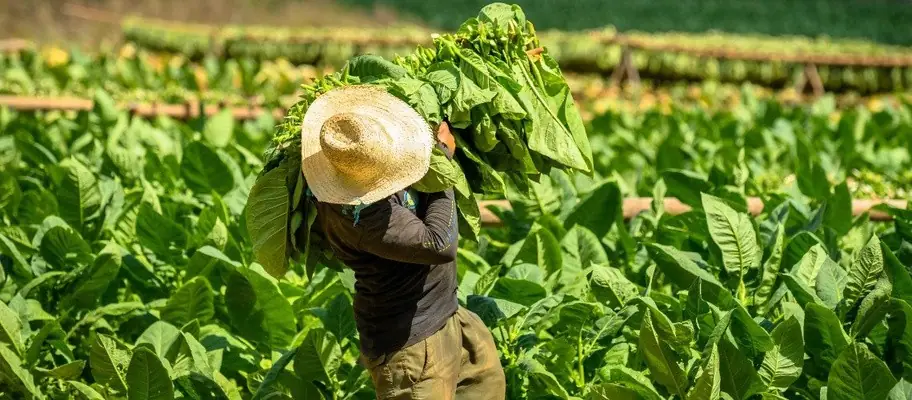
Business Model & Operations
From Seed to Export.
A vertically integrated, circular revenue model that finances growers, secures off-take, adds value through processing, and keeps every grower agreement documented.
Circular Revenue
Four pillars, one integrated cycle
Our business model is built on a "Circular Revenue" and vertically integrated structure spanning multiple pillars. Select a pillar to explore it.
- ↻ Circular Revenue model
Pillar 01 · Contract Farming
A full package for every contracted grower
Financing contracted growers through comprehensive "full-package" input distribution (seeds, fertilizers, chemicals, and financial assistance).
- Seeds
- Fertilizers
- Chemicals
- Financial assistance
-
STEP 01
Input Distribution
Full-package seeds, fertilizers, chemicals, and financial assistance delivered directly to contracted growers.
-
STEP 02
Planting
Growers establish flue-cured Virginia tobacco under agreed contract terms.
-
STEP 03
Monitoring
Agronomic advisory, farmer training, and field monitoring support crop management best practice.
-
STEP 04
Harvest
Green leaf is reaped across our contracted hectarage.
-
STEP 05
Processing
Custom processing into blended strips, lamina, cut rag, and by-products (fines and stems).
-
STEP 06
Export
Traceable, compliant FCV tobacco delivered to international merchants and manufacturers.
Pillar 04 · Input Finance & Repayment
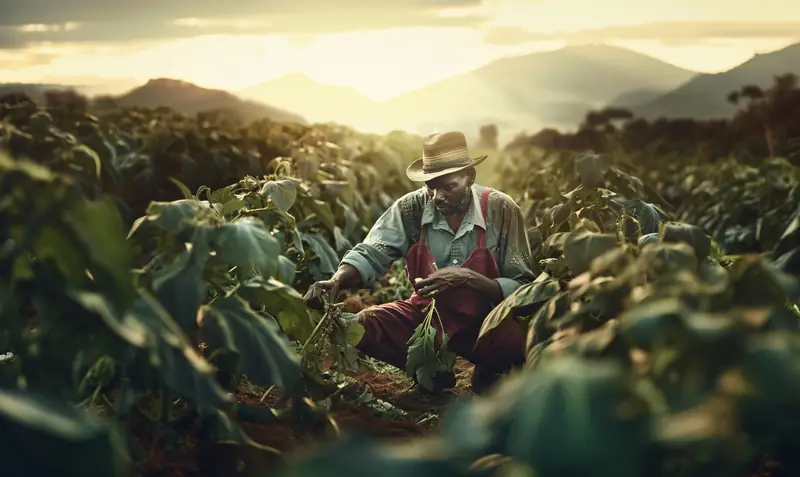
Clear, documented terms for every grower
Input packages are extended under TIMB-registered Stop Orders and signed grower agreements, giving growers and Whitemore Leaf clear, documented repayment terms.
-
Grower Contracts
A written contract between each grower and Whitemore Leaf sets out the agreed inputs and the obligations on both sides.
-
TIMB-registered Stop Orders
Repayment for input packages runs through Stop Orders registered with the Tobacco Industry and Marketing Board (TIMB), settled when the crop is sold.
-
Debt Acknowledgement Agreements
Each grower signs an agreement recording the value of inputs received, so obligations are clear and documented from the start.
Risk Management & Compliance
To safeguard operations, Whitemore Leaf implements stringent risk mitigation strategies.
- Direct Delivery & Controlled Logistics
- Inputs are delivered directly to growers and leaf moves under controlled transport logistics, keeping the crop accounted for from field to floor.
- Environmental & Social Governance (ESG)
- Active enforcement of agricultural labor practices (prohibition of child labor, fair wages, safe working environments) and promotion of reforestation and sustainable curing fuels.